
Review · HAMBURG
Hamburg: Scavenger Hunt Self-Guided Tour for Children
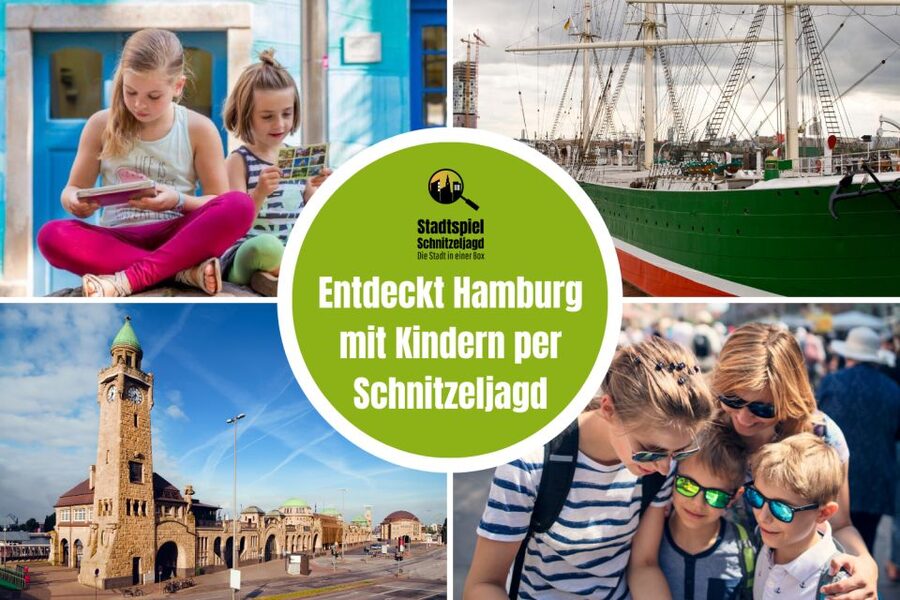
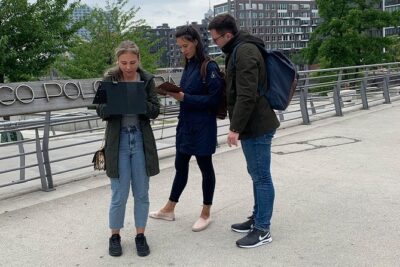
Hamburg’s harbor is a fine place for a family walk, but young children do not always share an adult’s interest in warehouses, ships, and concert halls. This self-guided hunt gives them a job to do: follow directions, solve riddles, and open the next envelope. The route runs from Kornhausbrücke in Speicherstadt to the famous jetties at Landungsbrücken, passing several of the port’s best sights along the way.
I like the freedom to pause for snacks, photos, or a longer look at a ship. I also like the short gaps between stops, which help keep the walk moving for younger children. The main caution is value: at $47 per group, it is reasonable for a full group of up to 10, but it can feel expensive for a small family, especially since the puzzles may be too easy for older children.
Key points at a glance
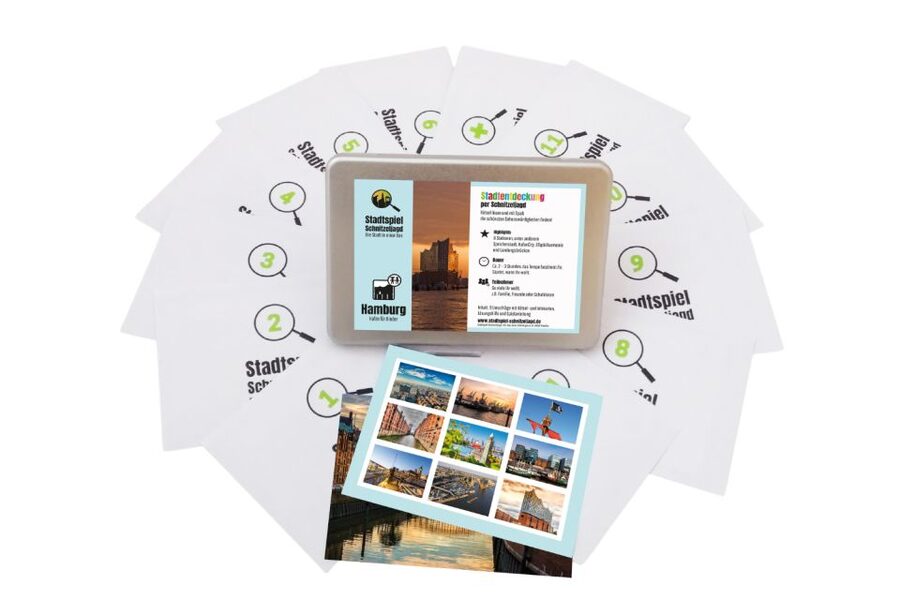
- Eight sealed envelopes reveal the route one puzzle at a time, so children do not know the next stop in advance.
- Kornhausbrücke to Landungsbrücken links Speicherstadt, the traditional ship harbor, museum ships, and Hamburg’s main waterfront.
- Flexible timing lets you stop the game for food, photos, or a longer visit at any attraction.
- Child-friendly information explains the sights, their past, and their current use in short sections.
- Ages six to twelve may get the most from it, while confident readers are likely to manage the written tasks best.
- The box arrives by mail, and you must bring it to the starting point because no guide meets you there.
How the Hamburg harbor hunt works
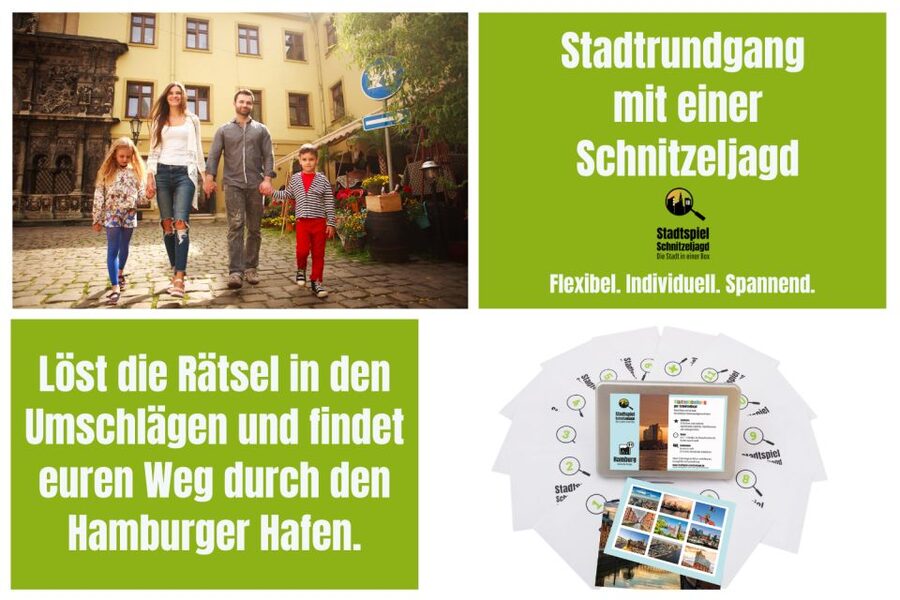
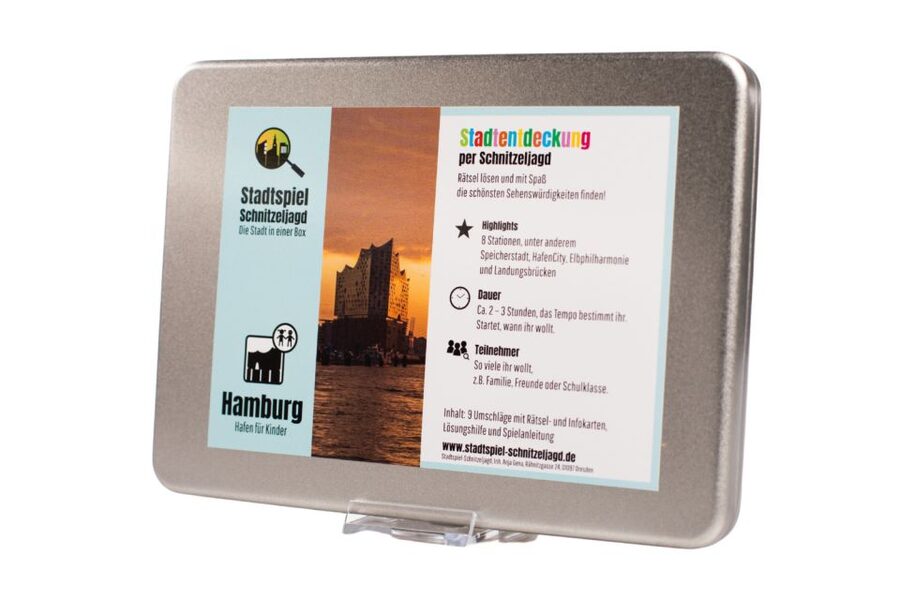
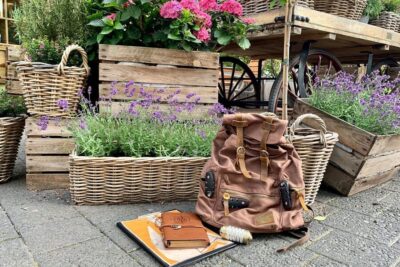
This is not a guided tour with a person leading your family from stop to stop. You receive a physical scavenger hunt box by mail, then take it to Kornhausbrücke when you are ready to begin. Inside are eight sealed and numbered envelopes, directions, puzzles, background information, child-friendly facts, and an emergency envelope with solutions.
The clever part is that you do not simply open envelopes in numerical order. Each solved puzzle gives you a number, and that number tells you which envelope to open next. Your children get a small sense of discovery from finding the route themselves, while you keep the solution envelope nearby in case a clue causes trouble.
The advertised play time is 150 minutes. Treat that as a useful guide, not a strict finish line. You can pause the hunt whenever you want, and you can even continue on another day. That matters in Hamburg, where a harbor walk can easily turn into a snack stop, a photo session, or an unplanned look at a ship.
The instructions are designed to be clear and direct. Still, this is a reading activity. One family found that children need to be able to read, and that is an important point for parents planning ahead. Younger children can take part with adult help, but they may not solve every clue alone.
More Scavenger Hunts in Germany
- Dresden: Old Town Self-Guided Scavenger Hunt Tour
★ 4.5 · 151 reviews - Berlin: Self-Guided Family and School Class Scavenger Hunt
★ 4.6 · 128 reviews - Escaping and spying on the Berlin Wall Scavenger hunt
★ 4.5 · 128 reviews
Starting at Kornhausbrücke in Speicherstadt
The route begins at Kornhausbrücke, in Speicherstadt, Hamburg’s warehouse district. This is a strong starting point because the area gives you an immediate sense of the city’s connection to trade and water. Tall brick warehouses, canals, and bridges create a setting that feels different from a regular city-center stroll.
The first envelope gets your family moving with directions and a puzzle rather than a lecture. That is a practical advantage. Children are asked to look closely and follow instructions, while adults can read the extra background material without forcing everyone into a formal sightseeing talk.
The box includes information about each attraction, including its history and present-day use. I would let the children handle the puzzle while you use the fact sheets to add context when they are interested. This keeps the activity from becoming a stack of adult reading material disguised as a game.
The route is wheelchair accessible according to the activity information. Since the exact surface conditions and access details at every stop are not provided, you may still want to consider your family’s specific mobility needs before booking.
Fleetschlösschen and the Störtebeker monument

From Speicherstadt, the hunt continues to Fleetschlösschen and a monument connected with the famous pirate Störtebeker. These stops add variety early in the walk. You move from warehouse architecture to a character that naturally catches a child’s imagination.
The pirate connection also gives parents an easy way to explain how Hamburg’s waterfront has long been tied to ships, trade, danger, and storytelling. The supplied facts are meant to be child-friendly, so you can expect short explanations rather than a long museum-style text.
This part of the walk should suit families who like a little structure but do not want every minute planned. The clues tell you where to go, but you remain in charge of the pace. If your child is fascinated by the monument, you can stop and look without worrying about holding up a group.
The weakness is the same one found throughout the activity: children who want hard puzzles may move through some tasks quickly. One ten-year-old lost interest because the riddles were not challenging enough. The game works best when the sightseeing itself is part of the reward, not only the puzzle-solving.
Magellan Terraces and the traditional ship harbor

The Magellan Terraces provide a useful middle section and a natural place to take a break. The hunt includes a task here, so the stop is not simply a scenic pause. You can solve the clue, look toward the traditional ship harbor, and decide how long your family wants to stay.
This is where the flexible format earns its keep. A guided group has to keep moving, but you can stop for a drink, take photos, or let children rest. If the weather is good, the terraces may also become the place where you slow the whole outing down and enjoy the waterfront rather than rushing from answer to answer.
The activity’s information sheets help turn the route into more than a game. Children learn what they are looking at, while adults get enough context to connect the harbor views with Hamburg’s working port. The material covers current use as well as the past, which helps avoid presenting the area as a collection of old buildings with no modern purpose.
Plan the break sensibly. The stated duration is two and a half hours, but a family with small children may need more time. The ability to pause is useful, but it also means the outing can stretch longer than expected if every stop becomes a full sightseeing session.
More Family Escape Games in Germany:
- Dresden: Old Town Scavenger Hunt for Children
★ 4.6 · 117 reviews - Leipzig: Scavenger Hunt Self-Guided Tour for Children
★ 4.4 · 105 reviews - Munich: Scavenger Hunt Self-Guided Tour for Children
★ 4.5 · 101 reviews - SAMS Kids’ Puzzle Tour with Puzzle Backpack through Bamberg
★ 4.6 · 15 reviews
Kehrwieder and the museum ships
The route then continues to Kehrwieder and the museum ships San Diego and Rickmer Rickmers. These are among the most memorable visual stops on the walk because large ships make the port feel immediate and concrete. Children can connect the idea of maritime travel with something they can actually see.
The hunt does not include entrance fees, so do not assume that the box provides access to the ships or any other attraction. The activity is built around outdoor sightseeing and puzzles. If you want to go inside a museum ship, that would be an extra decision and an extra cost.
This distinction matters when you compare the price with a traditional guided tour. You are paying for the mailed box, the prepared route, the envelopes, directions, facts, and the self-guided game. You are not paying for a personal guide or attraction admission.
I like this section for families who prefer to keep moving. The route passes major sights without requiring a long formal stop at each one. A child who is tiring of reading can still look at the ships, solve the next task, and feel that the walk is progressing.
Finishing at Landungsbrücken
The final section leads to the jetties at Landungsbrücken, one of the best-known points along Hamburg’s port. Ending here gives the hunt a clear finish and places you in a major waterfront area rather than leaving you in the middle of a residential street or an indistinct corner.
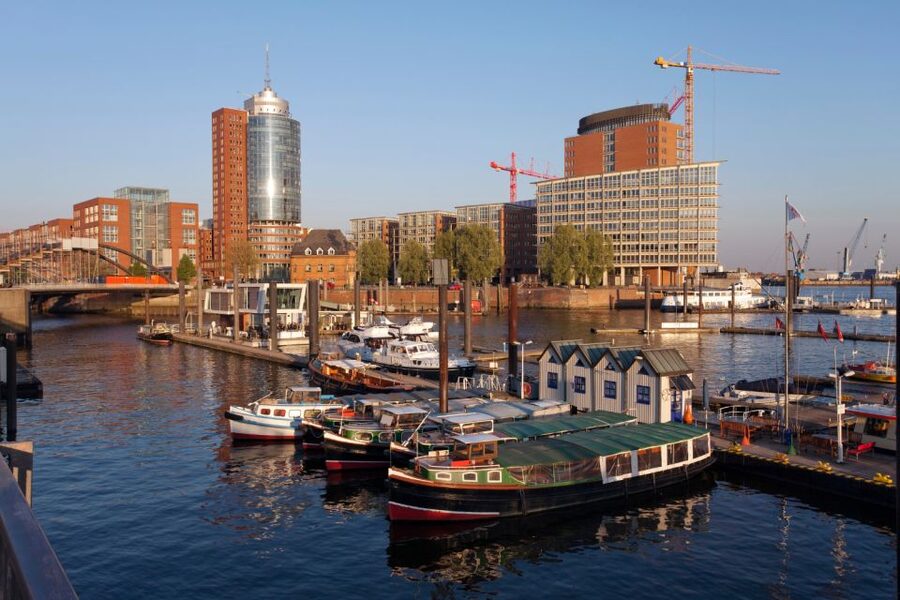
The route links several different sides of Hamburg in a relatively compact walk: the brick warehouses of Speicherstadt, the harbor terraces, museum ships, and the busy waterfront at Landungsbrücken. That variety is a major reason the activity works as sightseeing, even when a puzzle feels simple.
The box includes an emergency envelope with solutions. Use it when needed. There is no prize or treasure at the end, and that disappointed at least one child. If your children expect a physical reward, explain before starting that the destination and the solved route are the finish.
That small bit of preparation can make a difference. Frame the activity as a way to discover the port, not as a hunt for a hidden object. Children who enjoy collecting answers and finding the next envelope may be perfectly happy, while children who expect a final treasure could lose interest.
Who will enjoy the puzzles most?
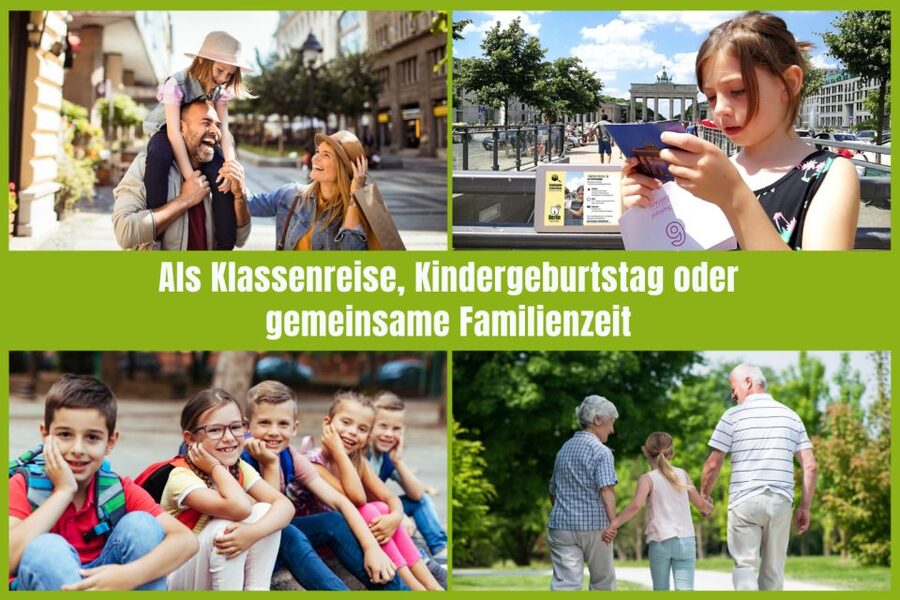
The strongest age range appears to be roughly six to twelve, with adult help for younger readers. The activity is especially suitable for families with children who like rules, clues, and small tasks. It also works well when parents want sightseeing help without committing to a fixed guided schedule.
Reading ability matters. A child who can read directions independently will get more control over the game. Younger children can still contribute by looking at sights, helping search for clues, or answering simple questions, but an adult may need to read the envelopes aloud and explain the instructions.
The puzzles are not designed as a serious challenge for older children or adults. Some families may find that a ten-year-old solves them too quickly. That is not a flaw for every group. For a six-year-old, simple clues can keep the game moving instead of creating frustration.
The activity also suits mixed-age groups because the sightseeing and puzzle-solving can be shared. Older children can read, younger children can look for details, and adults can provide the historical background. Just do not expect every family member to be equally occupied at every stop.
Is $47 good value for your group?
The price is $47 per group of up to 10 people, including shipping. At the maximum group size, the cost is low per person. For a family of four, it works out to about $11.75 per person, assuming you use the full package together. For two people, the price feels much higher.
The value comes from the complete route and the freedom to use it at your own pace. You are not buying a 150-minute performance with a guide. You are buying a prepared activity that can be paused and, if needed, continued on another day.
That flexibility can be worth paying for if your children need breaks or your Hamburg plans are uncertain. The price is harder to justify if you expect difficult puzzles, a guide, a prize, or entry to the museum ships. None of those are included.
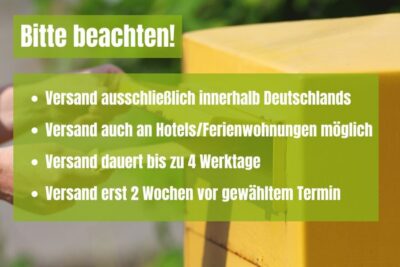
Shipping is also part of the planning. The box arrives by mail, usually within up to four working days inside Germany, and it can be shipped no earlier than two weeks before the selected date. Pickup in Hamburg is not available. Book with enough time for the box to reach you, especially if you are staying somewhere with a short hotel reservation.
You can cancel up to 24 hours in advance for a full refund, and the reserve-now-pay-later option keeps payment flexible. Those policies are helpful, but they do not solve the main practical issue: you need the physical box before you can start.
Practical advice before you start
Wear comfortable shoes. The route is a walking activity through several port areas, and the game is more enjoyable when nobody is thinking about sore feet.
Bring the game box to Kornhausbrücke. There is no guide waiting at the meeting point, and the activity can begin on any date and at any time you choose.
Keep the solution envelope available but out of sight. It is useful when a clue stalls the group, but showing answers too early can remove the small thrill of opening the next envelope.
Give children ownership of the envelopes. Let them read directions, announce the answer, and choose the next envelope. The activity works best when adults resist taking over every puzzle.
Build in time for pauses. The Magellan Terraces are specifically suited to a break, but you can stop elsewhere for photos or a longer look at an attraction. The 150-minute estimate does not have to control your day.
Should you book the Hamburg scavenger hunt?
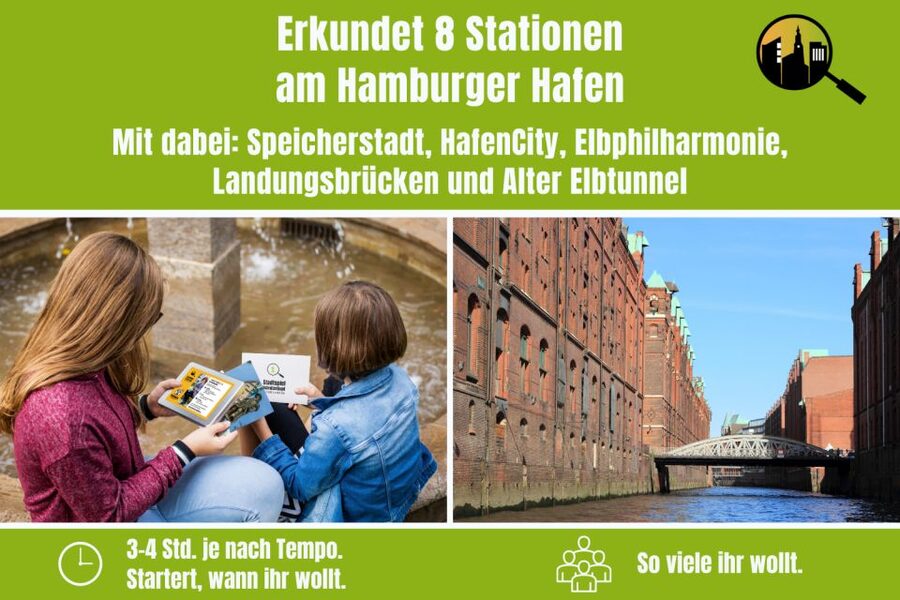
Book it if you want a flexible family walk through Hamburg’s port and your children enjoy simple puzzles more than formal guiding. The route covers Speicherstadt, Fleetschlösschen, Störtebeker, Magellan Terraces, Kehrwieder, the San Diego and Rickmer Rickmers, and Landungsbrücken, so you get a useful sightseeing path along with the game.
Think twice if your children need difficult riddles, a final treasure, or a guide who can answer questions on the spot. The best value comes when you have a group of several people, can use the mailed box without rushing, and see the puzzles as a way to keep children engaged while you explore the harbor.
FAQ
Where does the Hamburg scavenger hunt start?
It starts at Kornhausbrücke in Speicherstadt, Hamburg’s Warehouse City.
Where does the route finish?
The route ends at the famous jetties, or Landungsbrücken, in the Port of Hamburg.
How long does the scavenger hunt take?
The stated duration is 150 minutes. You can pause the game and continue on another day if needed.
Is there a guide at the meeting point?
No. This is a self-guided activity, so no guide will meet you at the starting point.
How many people can join for the listed price?
The $47 price covers one group of up to 10 people.
What comes in the scavenger hunt box?
The box contains eight sealed and numbered envelopes with riddles, directions, background information, and child-friendly facts. It also includes an emergency envelope with solutions.
Do I need to buy tickets for attractions?
Yes, if you choose to enter attractions. Entrance fees and transportation tickets are not included.
How do I receive the box?
The box is sent to you by mail. Shipping within Germany can take up to four working days, and pickup in Hamburg is not available.
Is the activity wheelchair accessible?
The activity is listed as wheelchair accessible. Specific access details for each stop are not provided, so check your personal requirements before booking.
More Self-Guided Tours in Germany
- Düsseldorf: Scavenger Hunt Self-Guided Tour
★ 4.6 · 127 reviews - Leipzig City Centre: Scavenger Hunt Self-Guided Tour
★ 4.4 · 114 reviews - Weimar: Scavenger Hunt Self-Guided Walking Tour
★ 4.3 · 108 reviews - Berlin: Scavenger Hunt Self-Guided Tour
★ 4.6 · 79 reviews
Just added around Germany
- Stuttgart Self Guided Sherlock Holmes Murder Mystery Game★ 5.0 · 4 reviews
- Stuttgart Scavenger Hunt and Highlights Self Guided Audio Tour★ 5.0 · 2 reviews
- Private: Outdoor Escape Game Schluchsee: The Lost Village★ 4.5 · 11 reviews
- Rothenburg Scavenger Hunt and Sights Self-Guided Tour★ 4.5 · 11 reviews
- Schwerin Self Guided Sherlock Holmes Murder Mystery Game★ 3.0 · 3 reviews
- e-Scavenger hunt Paderborn: Explore the city at your own pace★ 5.0 · 4 reviews
- Digital scavenger hunt around Wittringen Castle in Gladbeck★ 4.0 · 9 reviews
- Private scavenger hunt around the Ruhrfestspielhaus Recklinghausen★ 4.5 · 3 reviews
Hamburg Escape Games, compared.

Hamburg Scavenger Hunt and Highlights Self Guided Audio Tour
Read our review →
Hamburg Scavenger Hunt and Sights Self-Guided Tour
Read our review →

Browse the lists this tour appears in