
Review · ROME
Rome: Spanish Steps, Trevi, & Pantheon Live Treasure Hunt
Rome’s grandest sights become the playing board on this 2.5-hour treasure hunt through central Rome. You will search for clues, answer riddles, and learn why the Trevi Fountain and Pantheon matter, all while moving from one famous corner to the next.
I like the way this tour gives children a job to do, rather than asking them to listen quietly to a long lecture. I also like the friendly competitive element, especially the prizes and team-building format. The main consideration is the $105 price per person, which makes this a better fit for families or groups who want an organized activity, not simply a walk past Rome’s sights.
Key points
- Trevi Fountain clues: Learn about the fountain’s origins and coin-tossing custom while searching for answers.
- Pantheon activities: Use quizzes and riddles to explore the building’s unusual architecture and long story.
- Guide Marco: Marco is named in the experience feedback as an engaging guide, though your guide may differ.
- Family-friendly format: Designed for children age five and older, with adults included in the game.
- Prize-driven finish: Winning matters, but the hunt also works for groups that simply want to play and learn.
- Easy central meeting point: Find the guide by the Column of the Immaculate Conception in Piazza Mignanelli.
Rome’s center becomes your game board
This experience turns sightseeing into a shared challenge. Instead of walking from landmark to landmark while a guide delivers facts, you and your group will look for clues, solve riddles, and answer questions tied to the places around you.
That change in format matters most for families. Rome can be a lot for young children: crowded streets, grand buildings, long explanations, and plenty of standing around. A treasure hunt gives them a reason to watch, think, and take part. Adults get to enjoy the sights too, but the pace and questions are built to keep children involved.
The tour lasts 2.5 hours and takes place outdoors through the heart of the city. You should expect walking on busy central streets and hard paving, so comfortable shoes are a must. The route connects the Spanish Steps area, the Trevi Fountain, and the Pantheon, with stops for activities along the way.
There is no need to prepare Roman dates or memorize architectural terms. The guide supplies the questions and activities, then adds stories and facts as you go. The aim is not a formal history lesson. It is a playful way to notice more of Rome.
More Treasure Hunts in Italy
- Rome: Treasure Hunt for Kids and Families Trevi and Pantheon
★ 5.0 · 14 reviews - Treasure hunt in Rome, Ghetto and Trastevere
★ 5.0 · 8 reviews - Rome Treasure Hunt With Leonardo da Vinci
★ 4.0 · 3 reviews
Meeting at Piazza Mignanelli near the Spanish Steps
Your starting point is the Column of the Immaculate Conception in Piazza Mignanelli. This places you beside the Spanish Steps area, one of Rome’s best-known gathering spots.
Look for a guide holding a sign with your name. The meeting point is specific, which is helpful in a busy part of town, but give yourself enough time to find Piazza Mignanelli. Central Rome can feel confusing on foot, especially when several lanes and plazas seem to blend together.
The Spanish Steps are not listed as a separate treasure-hunt challenge in the description, but their location gives the outing a natural start. You are beginning among elegant streets, busy pedestrian routes, and some of Rome’s most familiar city views. From here, the group moves toward the Trevi Fountain.
The guide leads in English. A local guide is included in the price, so you do not need to arrange a separate escort or provide your own questions for the children. If Marco leads your group, expect a guide who has been praised for keeping the hunt entertaining and adding a good touch with the prizes. Guide assignments can change, so Marco is not guaranteed.
Trevi Fountain: coins, clues, and a famous myth
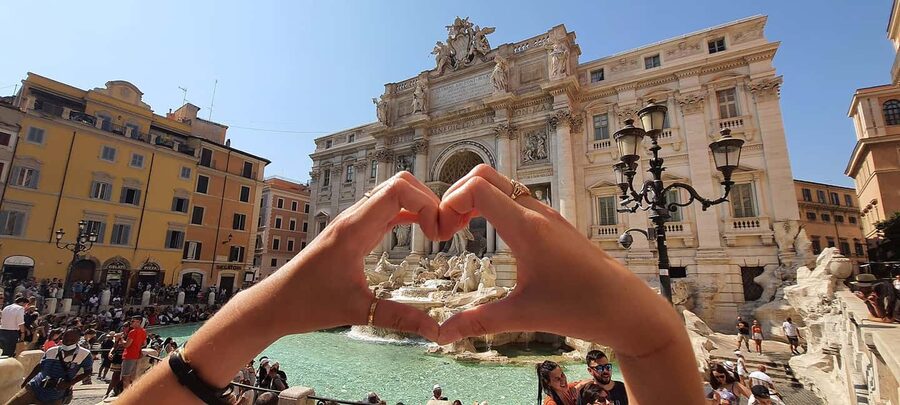
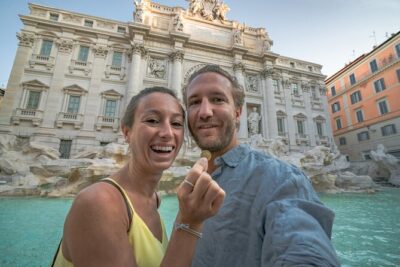
The Trevi Fountain is the first major stop described in the hunt, and it is a smart choice. The fountain is visually dramatic, easy for children to recognize, and tied to a custom that most families can understand at once: tossing a coin to return to Rome.
Here, the guide uses the fountain as more than a photo stop. You will search for clues and work through trivia about its legendary origins and the coin tradition. Those questions give you reasons to look closely at the statues, water, and design instead of taking a quick picture and moving on.
Trevi is also one of the busiest sights in Rome. The treasure hunt may help your family focus, but it cannot remove the crowds. Keep children close and stay aware of the group while you work on the clues. The activity is outdoors, and the fountain area can be noisy and packed.
This stop shows the value of the format. A child may not care about a fountain’s design when presented as a lecture, but a clue connected to the water, statues, or coin custom can turn the same detail into a small puzzle. You still see a famous Roman landmark, but you are asked to pay attention.
You should not expect to spend the whole 2.5 hours at Trevi Fountain. The hunt continues through central streets, with the guide pointing out famous places and adding anecdotes along the route. Exact clue locations and the order of activities may vary.
Walking through Rome with a purpose
The route between the main landmarks is part of the experience. You will stroll through the city rather than travel by bus or private vehicle. That keeps the outing close to street level, where Rome’s small lanes and public spaces become part of the activity.
The treasure hunt gives the walk a clear purpose. Your group will not simply follow a guide and wait for the next monument. You may need to observe a detail, answer a question, or work with other members of your team before moving on.
This team element is useful for more than families. The activity has also been used successfully as a team-building event, with groups competing and enjoying the shared challenge. Adults can take the questions seriously, help younger children, or simply enjoy seeing Rome through a game.
The format works best when everyone joins in. If one person solves every clue while the rest watch, some of the fun disappears. Encourage children to offer answers, and let adults accept a few wrong guesses. The guide’s role is to keep the group moving and entertained, not to turn every question into a test.
Because the experience stays in central Rome, you get a lively introduction to several famous areas in one outing. The tradeoff is that the hunt cannot provide the same depth as a dedicated Pantheon tour or a long walking tour focused only on ancient architecture.
More Treasure Hunts in Rome:
- Colosseum and Roman Forum Treasure Hunt Tour for Kids & Families
★ 5.0 · 3 reviews - Vatican Treasure Hunt with Guided Tour for Families with Kids
★ 5.0 · 2 reviews - Trevi Pantheon and Spanish Steps Treasure Hunt for Kids & Families in Rome
★ 5.0 · 2 reviews - Hamburg: Treasure Hunt Game through HafenCity
★ 4.7 · 364 reviews
The Pantheon: architecture as a puzzle
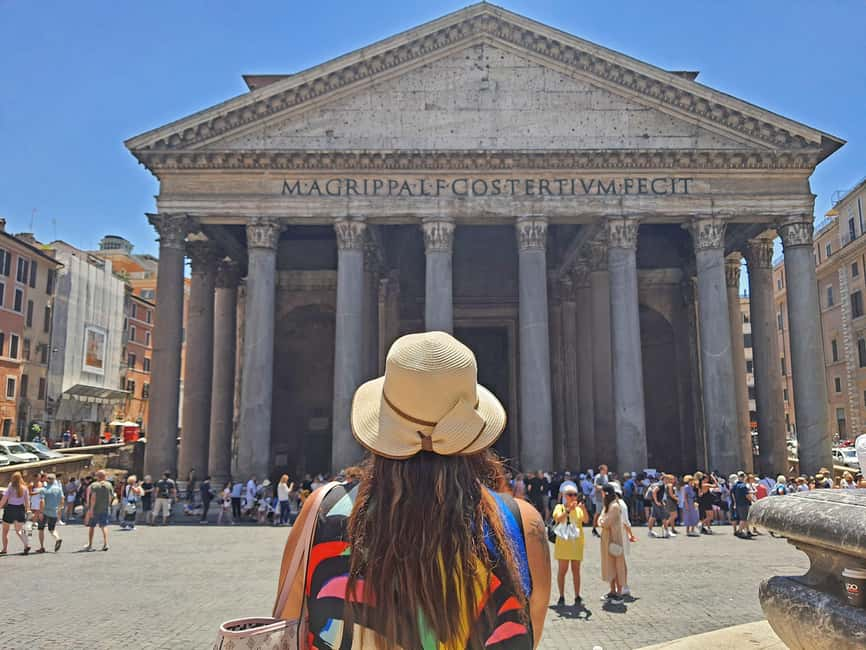
The Pantheon is the other major anchor of the hunt. Its huge concrete dome, broad entrance, and unusual sense of space give the guide plenty to discuss with children.
The activities here are designed to help kids notice the building’s architectural features and understand why the structure is important. Expect more riddles, questions, and facts rather than a quiet architectural lecture. The guide brings the building’s past to life with short stories and accessible explanations.
The Pantheon is a rewarding stop because its exterior alone does not tell the whole story. Children can look at the columns and entrance, then consider how the interior was built and why the dome remains such a memorable feature. The hunt encourages them to connect what they see with the question in front of them.
The experience information does not promise a private entrance, reserved access, or an extended interior visit. Treat this as a treasure hunt through Rome that includes the Pantheon, not as a specialist guided tour of every part of the building. If entering the Pantheon is your main goal, check the current arrangements when booking and make sure your expectations match the activity.
Still, the Pantheon works well as the final major learning stop. By this point, the children have already solved clues at Trevi and walked through the city. The building becomes another challenge to tackle rather than one more monument to pass.
Quizzes, prizes, and the right kind of competition
The prize element adds a useful spark. It gives children a clear reason to keep paying attention, and it gives adults an easy way to join the fun. The prize is not the whole point, but it helps the hunt feel like a real game instead of a worksheet with scenery.
Competition can also create a small problem if your group takes winning too seriously. One team will win, and one will not. The activity works best when the guide keeps the mood light and treats the questions as a way to explore Rome.
That balance appears to be one of the experience’s strengths. The praise connected to the activity repeatedly points to the guide, the fun, the learning, and the prizes. A group that did not win still found the outing worthwhile because it saw and learned a lot. That is a good sign for families with children who may not enjoy losing.
The hunt can also suit adults who like puzzles. The questions are not described as being only for young children, and the team-building use suggests that older participants can take part. Still, the tour is clearly designed to be kid-friendly, so adults seeking a serious archaeology lesson may find it too playful.
What $105 per person buys you
At $105 per person, this is not the cheapest way to see the Trevi Fountain and Pantheon. You can walk between these landmarks on your own without paying for a guide. The price makes more sense when you value the organized game, English-speaking guide, activities, trivia, and prizes.
For a family, the main benefit is structure. You do not have to invent games, research child-friendly facts, or persuade everyone to keep walking. The guide handles the activity while you take part with your children.
For a team or private group, the price can also be easier to justify because the hunt creates a shared event rather than a basic sightseeing walk. The team-building angle gives the outing a clear purpose for work groups or larger gatherings.
I would not choose this experience if your priority is maximum historical detail for the lowest price. I would choose it if your group needs a reason to stay engaged in central Rome and you want learning built into a playful route.
The available information does not state the group size, so you should check that before booking if the feel of the group matters to you. A smaller group may feel more personal, while a larger one could add energy to the competition.
Who will enjoy this most
The activity is designed for children age five and older, with adults welcome to play along. It should suit families who want to see famous Roman landmarks without asking children to endure a formal lecture.
It also fits groups looking for a team-building activity. The riddles and quizzes create natural cooperation, while the competition gives the group a shared goal.
You may want a different tour if:
- Your child is under five, since the activity is not suitable for children below that age.
- You want a quiet, in-depth architectural tour.
- You have limited mobility or dislike walking on busy central streets, since the experience is an outdoor walking hunt and no accessibility details are provided.
- You want guaranteed entry arrangements or a fixed guide, since those details are not stated.
- You dislike competition or prize-based activities.
The listed upper age limit is 95. That is an unusual detail, but it is part of the stated suitability information.
Practical advice before you go
Wear comfortable shoes. This is the clearest practical instruction, and it matters because the experience lasts 2.5 hours and moves through central Rome.
Meet at the Column of the Immaculate Conception in Piazza Mignanelli, and look for the guide’s sign with your name. The guide speaks English, and the tour includes the guide and the treasure hunt itself.
You can cancel up to 24 hours before the start for a full refund. The reserve-now, pay-later option also gives you some flexibility when planning a Rome schedule. Starting times vary, so check availability for the date you want.
Keep your group together around the Trevi Fountain and in crowded streets. The hunt is designed to be active and social, but children still need ordinary city-walking supervision.
Should you book the Rome treasure hunt?
Book it if you want Rome sightseeing to feel like a shared family game. The Trevi Fountain, Pantheon, riddles, trivia, and prizes give children a reason to look up and take part. The guide-led format also removes much of the work from parents.
At $105 per person, you are paying for the activity and the guidance, not simply access to the landmarks. That price is easiest to justify for families, school-age children, or team groups that value fun and structure.
Skip it if you want the cheapest possible introduction to Rome or a serious, detailed study of ancient architecture. For everyone else, especially families who know that a little competition can rescue an afternoon of sightseeing, this is a clever way to meet central Rome.
FAQ
Where does the treasure hunt start?
Meet your guide by the Column of the Immaculate Conception in Piazza Mignanelli. The guide will hold a sign with your name.
How long does the activity last?
The treasure hunt lasts 2.5 hours.
Which Rome landmarks are included?
The experience includes the Spanish Steps area, the Trevi Fountain, and the Pantheon, along with the streets and landmarks between them.
What language is the tour conducted in?
The live tour guide speaks English.
Is a guide included?
Yes. A top-rated local guide is included.
What activities will we do?
You will search for clues, answer riddles, take part in quizzes, and learn trivia about Rome’s landmarks.
Is the experience suitable for children?
It is designed as a family-friendly activity for children age five and older. Children under five are not suitable for this experience.
What should I bring?
Wear comfortable shoes for the walking route.
Does the activity include prizes?
Yes. The treasure hunt includes a prize element for the competing participants or teams.
Can I cancel the booking?
You can cancel up to 24 hours in advance for a full refund. You can also reserve now and pay later.
Just added around Rome
- Villa Borghese escape game★ 3.0 · 3 reviews
- Trevi Pantheon and Spanish Steps Treasure Hunt for Kids & Families in Rome★ 5.0 · 2 reviews
- Vatican Treasure Hunt with Guided Tour for Families with Kids★ 5.0 · 2 reviews
- Rome Treasure Hunt With Leonardo da Vinci★ 4.0 · 3 reviews
- Self-Guided mystery walk outside the Pantheon, Rome★ 4.0 · 5 reviews
- Treasure hunt in Rome, Ghetto and Trastevere★ 5.0 · 8 reviews
- Colosseum and Roman Forum Treasure Hunt Tour for Kids & Families★ 5.0 · 3 reviews
- Treasures of Rome Scavenger Hunt for Friends Team Building & Company Incentive★ 4.5 · 2 reviews
Rome Escape Games, compared.
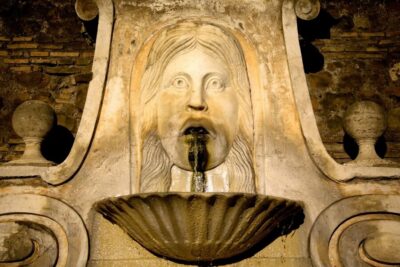
Dark Heart of Rome – Facts, Legend & Mystery Walking Tour
Read our review →
Angels & Demons Rome Scavenger Hunt: The Illuminati Escape Game
Read our review →

Private Family Scavenger Hunt & Art Lab Tour – Rome Landmarks
Read our review →
Browse the lists this tour appears in