
Review · FRANCE
Aix Treasure Hunt
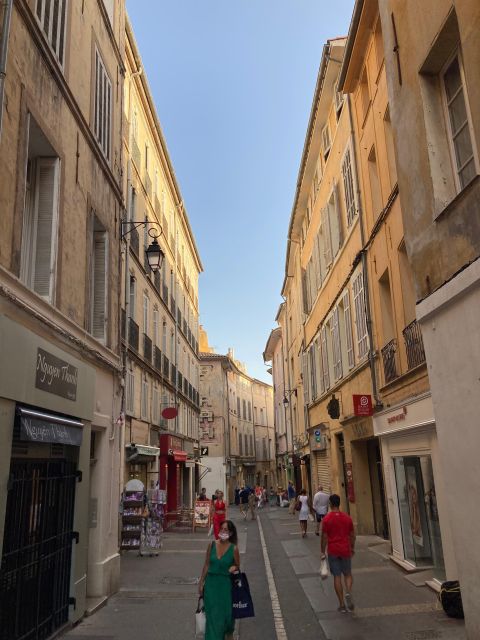
Aix Treasure Hunt turns a city walk into a friendly puzzle. You follow clues through Aix-en-Provence while guide Édouard, also called Ted, fills in the story behind fountains, churches, and medieval remains. It is part sightseeing tour, part game, and a good way to notice the small details you might otherwise pass.
I like the clever format and the broad sweep. In two hours, you cover historic monuments, sites linked to Paul Cézanne and Émile Zola, a French garden, and more than one church. I also like the warm guiding style: Édouard has won praise for humor, clear explanations, and keeping children involved.
The main consideration is pace. This is a walking tour built around clues, so you will spend much of the two hours moving through the city rather than stopping for long museum-style talks. Food and drinks are not included, and the $41 price makes the most sense if you value a personal guide and a structured introduction to Aix.
Key points at a glance
- A puzzle with a proper city tour inside: Clues lead you through major sights while the guide explains what you are seeing.
- Édouard and Ted guide the experience: The same guide is referred to by both names in the available information.
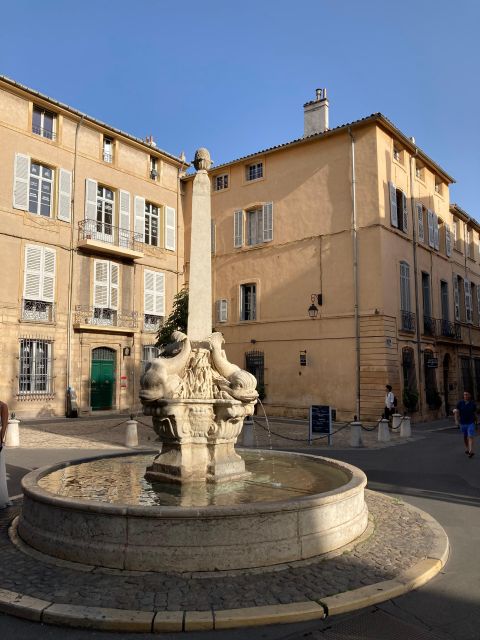
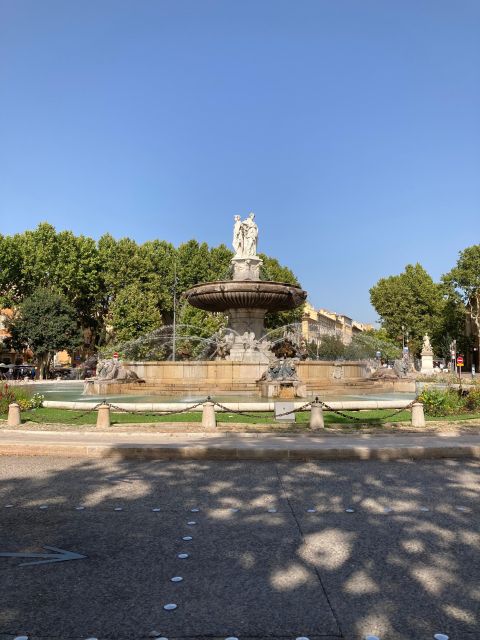
- A broad Aix introduction in two hours: The route includes monuments, fountains, churches, a French garden, and medieval vestiges.
- Good for families: The clue format gives children something active to do, while the guide adjusts the experience for different ages.
- A Provençal finish: You receive a small local treasure, such as calissons, at the end.
- Easy central meeting point: The group meets in front of the Aix-en-Provence Tourism Office.
Why a treasure hunt works well in Aix-en-Provence
Aix is a city that rewards slow looking. A fountain may mark a square’s old purpose. A worn church doorway may reveal how the medieval town was built. A street connected with Cézanne or Zola can be easy to pass without realizing its importance.
The treasure hunt gives you a reason to keep your eyes open. Instead of walking behind a guide while trying to remember a string of dates, you receive clues and work out what comes next. That small shift makes the route feel more active. You are not only being shown Aix. You are asked to read it.
This format also helps you get your bearings early in a stay. The activity lasts two hours and is designed as a complete visit to the city in a couple of hours. You will not see every museum interior or study every monument at length, but you can build a useful mental map of the historic center and decide where to return later.
I especially like this for a first morning or first afternoon in Aix. Afterward, you will have a better sense of which squares, churches, and streets deserve a second look. If you already know the city well, the treasure hunt may feel more like a playful refresher than a major discovery.
More Treasure Hunts in France
- Louvre Guided Treasure Hunt for Families and Kids
★ 4.7 · 92 reviews - Louvre Museum Guided Family Treasure Hunt
★ 5.0 · 78 reviews - “Old Marseille” district tour and treasure hunt
★ 5.0 · 74 reviews
Starting in front of the Tourism Office
The meeting point is in front of the Tourism Office, a practical place to begin because it is easy to identify and places you right in the city center. You should arrive in comfortable shoes. The route is on foot, and the activity depends on walking from clue to clue rather than riding between stops.
The experience is offered in English or French. That matters here because a clue-based tour needs clear communication. You want to understand the wording, not merely follow the group. If you enjoy language practice, the French option gives the walk an extra local flavor, while the English option keeps the historical explanations easy to follow.
The tour is wheelchair accessible, which is useful information when choosing a city walk. Still, the supplied details do not describe the exact surface or gradient of every street, so anyone needing specific route information should confirm it when booking.
Following clues through monuments and fountains
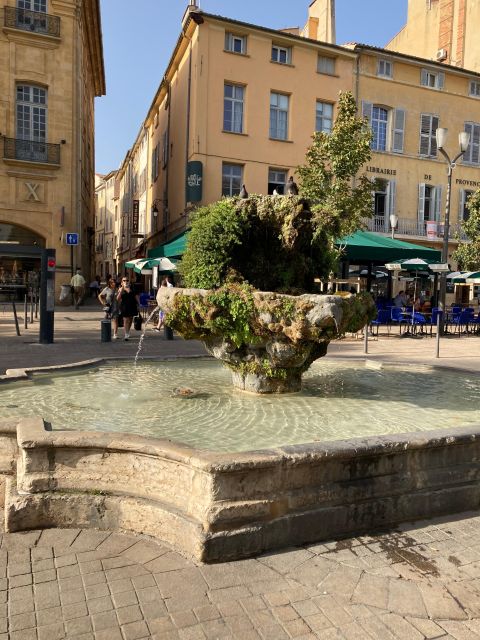
The first part of the walk introduces Aix through its public spaces and historic monuments. The clues guide you onward, with the guide providing enough context to make each stop meaningful. The goal is not to bury you under dates. It is to help you understand why a building, square, or fountain belongs in Aix’s story.
Fountains are a natural subject for this city. They are visual, easy to spot, and tied to the character of Aix. A treasure hunt can turn a simple fountain stop into a small observation challenge: look closely, follow the clue, and learn what makes that feature worth noticing.
This is also where the guide’s personality matters. Édouard is praised for combining humor and learning, and that mix suits the format. A dry lecture would slow the game. A game with no explanation would feel thin. The best balance is a clue that draws you in, followed by a short explanation that gives the place meaning.
You should expect a lively walking lesson rather than a formal academic tour. One French participant described the amount of detail as enough to make them want more without being overloaded. That is a useful way to think about the experience. It gives you a foundation, then leaves room for your own later exploring.
Cézanne, Zola, and the city behind the names
The route includes sites connected with Paul Cézanne and Émile Zola. Those names give the walk a strong cultural thread. Cézanne is closely associated with Aix, while Zola adds a literary connection to the city and its wider circle of artists and writers.
The value here is not simply checking off famous names. The clues help place those figures within the city you are walking through. You can connect a person to an actual street or site instead of treating the name as a line in a guidebook.
Do not expect a full Cézanne tour or a specialist art lecture. The information describes these as stops within a wider city visit that also includes monuments, churches, gardens, and medieval remains. If your main goal is an in-depth study of Cézanne, you will want a separate museum or dedicated art experience. If you want a first introduction to his connection with Aix, this approach gives you a useful starting point.
The same is true for Zola. The treasure hunt places his connection within a larger picture of Aix rather than making literature the sole subject. That variety is one of the tour’s strengths. You move between art, architecture, religion, gardens, and old city traces instead of spending two hours on one narrow theme.
Same place, a different puzzle:
- Saw2 vs Squid Game – Escape Game Montpellier
★ 5.0 · 752 reviews - Prison Break – Escape game in Montpellier
★ 5.0 · 583 reviews - School of Magic – Escape game Montpellier
★ 4.5 · 536 reviews - Mission Possible – Escape game Montpellier
★ 5.0 · 437 reviews
Medieval churches and old city traces
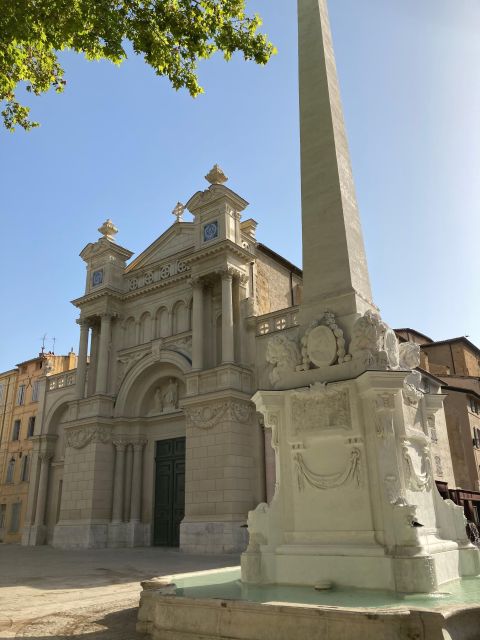
A couple of churches can be visited free during the activity. That adds real value to the $41 price because you are not limited to seeing facades from the street. The exact churches are not specified, so you should not book this expecting a named interior or a guaranteed particular artwork.
Church stops also give the walk a change of rhythm. Outdoor clues and street observations are followed by quieter spaces where you can look up, notice details, and hear how religious buildings fit into Aix’s past. For many people, these brief visits will be more memorable than a long list of architectural terms.
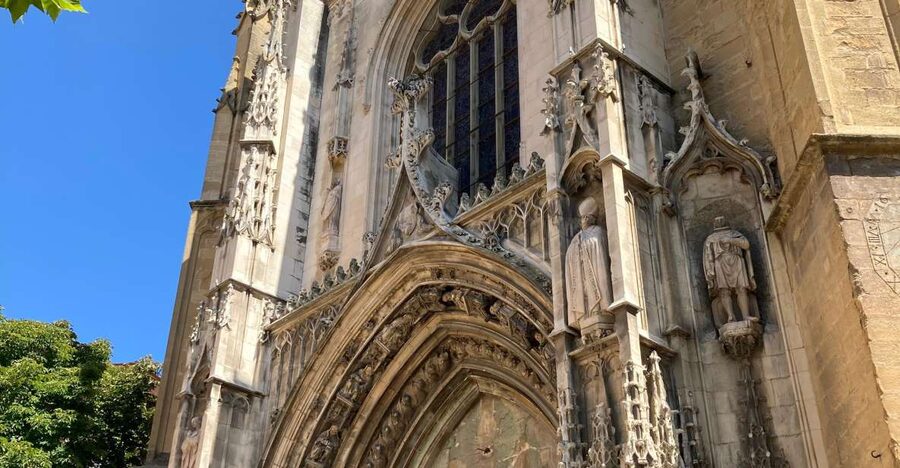
The route also includes medieval vestiges. These traces can be easy to miss when you are walking independently. A guide helps you understand what you are looking at and why a fragment, wall, or old feature still matters.
This is a good example of the tour’s practical value. You do not need to be an architecture specialist. The clue tells you where to look, and the guide provides the story. If you prefer to linger for photographs or quiet reflection, the group format may limit your time. The reward is that you see more of the city in a fixed two-hour window.
A French garden adds a pause from stone streets
The inclusion of a French garden gives the itinerary some visual variety. After monuments, churches, and medieval remains, a formal garden offers a different way to read the city. Look for order, design, and the relationship between the planted space and the surrounding buildings.
The garden is part of the larger clue route, not a separate garden-focused visit. You may receive a short explanation and move on to the next challenge. That is ideal if you want an overview, but less suitable if you are hoping to sit for a long break.
I like this mixture because it keeps the pace from becoming repetitive. Aix can be wonderfully detailed, but two hours of looking only at stone facades would be a lot for younger children. The garden, fountains, and game elements help keep the experience varied.
How the clue format works for families
The family appeal is one of the clearest strengths. A parent described Édouard as kind with children and able to keep everyone engaged. That is important because children who are asked only to listen may tire quickly during a city walk. Children who are looking for the next clue have a job.
The activity is not described as a separate children’s tour, so adults should still expect historical and cultural explanations. That is a good compromise for a mixed-age group. Children get an active challenge, while adults receive a proper introduction to Aix.
The guide’s humor helps here. Another French participant credited the combination of humor and learning with making the hunt exciting. You should still bring comfortable shoes and set expectations for walking. The game adds energy, but it does not remove the physical demands of a two-hour city route.
Couples and solo visitors can enjoy it too. The hunt is not only for families. Anyone who likes a bit of structure, local conversation, and gentle problem-solving will find the format more engaging than simply following a guide from one lecture stop to another.
The guide makes the difference
The available information identifies Édouard, also known as Ted, as the guide associated with the experience. The strongest praise centers on his manner: personable, professional, funny, clear, and able to share plenty without turning the tour into a flood of facts.
Those qualities matter more than a polished script. A treasure hunt needs someone who can explain a clue, notice when the group is stuck, and keep the route moving. It also needs a guide who can answer questions without losing the playful tone.
You should expect a personal experience rather than an anonymous audio route. The guide accompanies you along the path and provides the clues. That means the quality of the outing depends partly on the guide who leads your departure, but the consistent descriptions of Édouard and Ted give you a clear idea of the intended style.
The language options are English and French. The information does not promise German or other languages, even though one participant wrote in German. Book with the understanding that the live guiding is offered in English or French.
Is $41 a fair price?
At $41 per person, this sits above a basic self-guided walk but below the cost of many private city experiences. The value comes from combining several things in one booking: a two-hour guided route, a structured game, access to a couple of churches, explanations from a local guide, and a Provençal gift at the end.
The price is easier to justify if you are new to Aix, traveling with children, or want a clear introduction without planning your own route. You are paying for direction and interpretation, not simply for entrance tickets. The tour’s broad coverage also saves you the work of finding the monuments, cultural sites, fountains, and medieval traces yourself.
It is less compelling if you want long indoor visits or a specialist tour devoted only to Cézanne. Food and drinks are not included, and there is no hotel pickup or drop-off. You will meet at the Tourism Office and make your own way there.
The final treat, such as calissons, is a small detail but a fitting one. It gives the treasure hunt a physical ending and introduces you to a Provençal specialty. It should not be the reason you book, but it completes the game nicely.
Timing, cancellation, and what to bring
The duration is two hours, with starting times depending on availability. That makes it easy to fit into a day of sightseeing, especially if you want time afterward for lunch, a museum, or independent wandering.
You can cancel up to 24 hours in advance for a full refund. You can also reserve now and pay later, which helps if your Aix plans are still shifting. These terms are useful, but the main practical advice is simpler: wear comfortable shoes and arrive at the Tourism Office meeting point with enough time to find the guide.
The activity is wheelchair accessible. Since the route details are not fully specified, anyone who needs information about particular surfaces or access points should ask before departure.
Who should book the Aix Treasure Hunt?
I would choose this for a first visit to Aix-en-Provence, especially if you want to see a lot in a short time and prefer interaction to a recorded guide. It is also a strong pick for families because the clues give children a reason to pay attention.
It suits you if you enjoy city walks that mix culture with play. You will get monuments, fountains, art and literary connections, churches, a garden, and medieval traces, all tied together by a single route.
I would choose something else if you want a slow, highly specialized art tour, lengthy church visits, or a food-focused experience. You will need to arrange your own refreshments and return to any site where you want more time.
For most first-time visitors, the balance is appealing. Édouard or Ted gives you the city’s main threads, the clues keep your attention moving, and the calisson-style gift sends you off with a small taste of Provence. At $41, book it when you want an active introduction rather than a passive walk through old streets.
FAQ
Where does the Aix Treasure Hunt meet?
The meeting point is in front of the Tourism Office in Aix-en-Provence.
How long does the activity last?
The treasure hunt lasts two hours.
Which languages are available?
The live tour guide is available in English and French.
What sights are included?
The route includes historic monuments, sites connected with Paul Cézanne and Émile Zola, fountains, a French garden, medieval churches, and medieval vestiges.
Are church visits included?
Yes. Free visits to a couple of churches are included.
Is food included?
No. Food and drinks are not included, although you receive a Provençal treasure at the end, such as calissons.
Can I cancel or pay later?
You can cancel up to 24 hours in advance for a full refund. You can also reserve your place and pay later.
Just added around France
- Historical treasure hunt in the city of Versailles★ 4.0 · 15 reviews
- Escape game outdoor The Walking Dead in Tours★ 3.0 · 2 reviews
- Tours: Magic Team Escape Game in Town★ 3.0 · 2 reviews
- Outdoor escape game | The Minotaur★ 4.5 · 2 reviews
- Discover Toulouse while playing! Escape game – The alchemist★ 3.5 · 4 reviews
- Urban escape game in Toulouse – Crazytopia★ 3.0 · 3 reviews
- Romantic Toulouse: Self-Guided Love Story Puzzle Walk★ 4.0 · 2 reviews
- Strasbourg Highlights Self Guided Scavenger hunt and City Walking Tour★ 4.0 · 9 reviews
France Escape Games, compared.

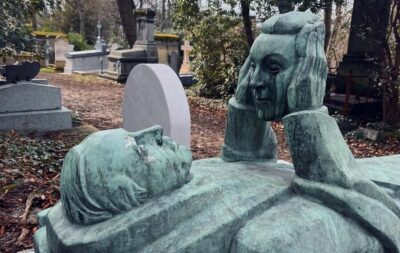
Who Killed Victor ? Escape Game at Père Lachaise Cemetery
Read our review →
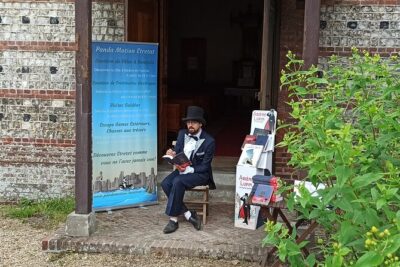

Romantic Montmartre: Paris Lost Lovers Exploration Game and Tour
Read our review →Browse the lists this tour appears in