
Review · PARIS
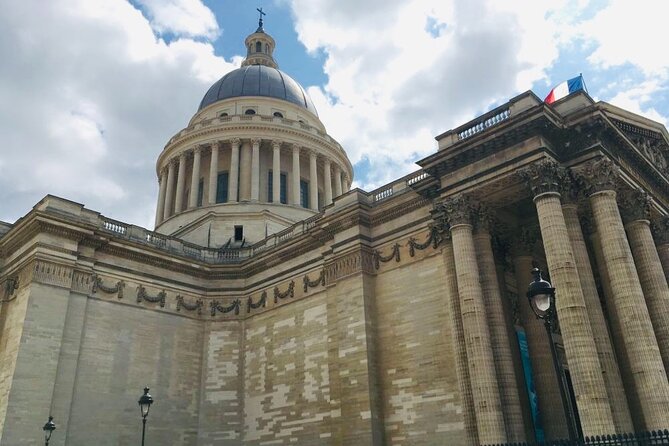
Treasure Hunt in Paris – From the Panthéon to the Louvre
Paris becomes more playful when you explore it as a puzzle. This self-guided treasure hunt leads you from the Panthéon to the Louvre through the Latin Quarter, past Notre-Dame, and across some of the city’s best-known bridges. You solve clues as you go, rather than simply following a guide from one sight to the next.
I like the excellent route through central Paris and the fact that the activity works for mixed ages. I also like the no-app format, since you receive a booklet, map, answer sheets, and cultural notes instead of fussing with downloads. The main consideration is the time limit: you have about two hours, and the hunt ends automatically after three hours, so long café stops or extended sightseeing can put you behind.
Key points at a glance
- Starts at the Panthéon: Begin at 1 Rue Soufflot, in the heart of the Latin Quarter.
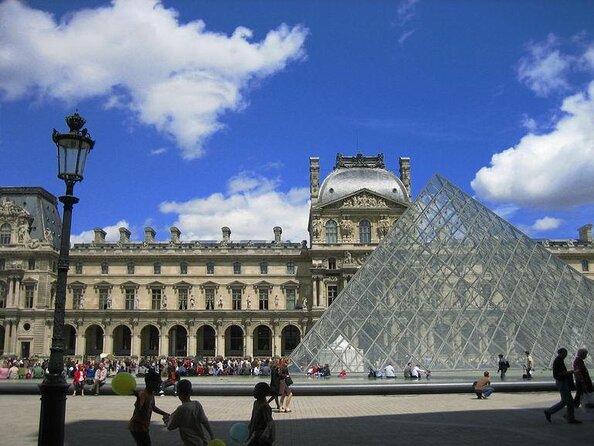
- Links major sights on foot: The route passes the Cluny Museum, Notre-Dame, Île de la Cité, Place Dauphine, Pont Neuf, Pont des Arts, and the Louvre.
- Uses paper clues, not an app: Your kit includes riddles, a map, answer sheets, and cultural notes.
- Works well for families: The clues are accessible, and both younger children and teenagers can take part.
- Offers help without a full-time guide: Assistance is available during the game, and Marion has been praised for being friendly, flexible, and helpful.
- Ends at the Louvre: The final code opens the chest in front of the museum, at the Cour Carrée side.
A Paris sightseeing route with a purpose
Many city walks ask you to look up, keep moving, and listen. This one asks you to notice. A doorway, bridge detail, statue, street corner, or bit of architecture may become part of the next clue. That small change in focus can make familiar Paris sights feel fresh.
The route is especially useful if you want an introduction to central Paris on your first day. You cover a wide stretch of the city without trying to visit the interiors of every monument. Instead, the hunt gives you a reason to pause at each area, discuss what you see, and connect one location to the next.
At $36.05 per person, this is not the cheapest way to walk across Paris. You are paying for the prepared puzzle, materials, route design, cultural information, and support. The value is strongest for families, couples, friends, and small groups who would otherwise spend two hours wandering without a plan. If you mainly want a standard guided explanation of architecture, this is not the right format. If you like solving problems while sightseeing, the price is easier to justify.
The activity is capped at 25 participants, but it is not presented as a conventional guided group walk. You receive the materials and complete the investigation yourself. That gives you control over your pace, though it also means you must read directions carefully and keep an eye on the clock.
More Treasure Hunts in France
- Louvre Museum Guided Family Treasure Hunt
★ 5.0 · 78 reviews - Louvre Museum – Private Family Tour with Da Vinci Treasure Hunt
★ 5.0 · 38 reviews - Paris Sweet & Chocolate Family Treasure Hunt
★ 5.0 · 37 reviews
Starting beneath the Panthéon
The meeting point is 1 Rue Soufflot, beside the Panthéon. This puts you in the Latin Quarter, a central location with easy access by public transportation. The Panthéon provides a clear landmark, which is useful when several streets converge around the monument.
At the start, you receive a short briefing, the booklet, and the first clue. The booklet contains riddles, a map, answer sheets, and cultural notes. You do not need to download an app or depend on mobile data to follow the game.
That paper format is one of the activity’s practical strengths. It keeps the group looking at Paris rather than at separate phone screens. It also lets children take part directly by holding the map, writing answers, or working through a code.
The opening briefing should help you understand how the clues work. Since this is self-guided, make sure everyone in your group knows the basic plan before setting off. A little teamwork at the beginning can save time later.
Reading the Latin Quarter through clues

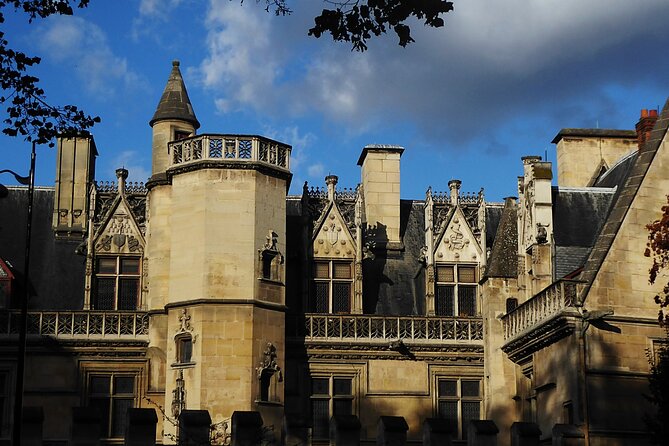
The first section takes you through the narrow streets of the Latin Quarter. This is one of Paris’s oldest areas, and it is a good place for a walking puzzle because the streets offer plenty of visual details. You move past the Cluny Museum, whose medieval architecture gives the clues a fitting setting.
Here, observation and logic matter more than specialist knowledge. You are not expected to arrive with a background in French art or medieval Paris. The cultural notes add context, while the riddles encourage you to inspect the surroundings.
I think this is where the hunt earns much of its value. A child may notice a detail before an adult does. A teenager can work on the code while a parent studies the map. The activity gives each person a job, which is often more effective than asking a mixed-age group to listen quietly to a long explanation.
The drawback is that the Latin Quarter can be distracting. You may want to stop for a pastry, browse a shop, or wander down a side street. That is part of the pleasure of Paris, but every pause reduces the time available for the investigation.
Following the mystery toward Notre-Dame
The story centers on the mysterious owner of a chest. As you solve the clues, the route leads you toward Notre-Dame and the historic center of Paris. The exact puzzle answers are best discovered on site, but the structure gives the walk a clear purpose: each solved clue sends you farther along the trail.
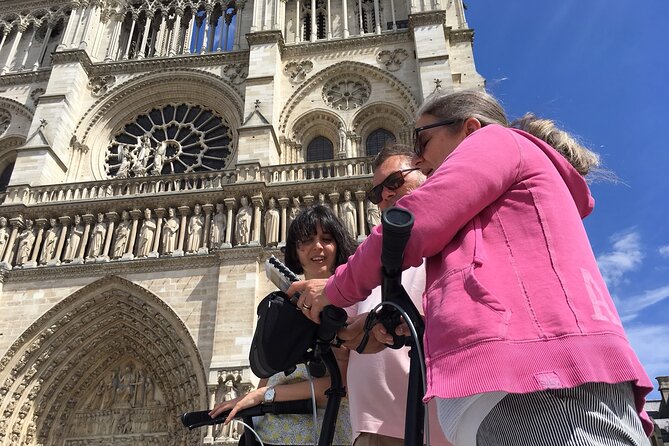
The Notre-Dame section takes you into one of the most recognizable parts of Paris. You reach the area around the cathedral and continue toward the Seine. This is not a cathedral admission experience, so you should book it for outdoor sightseeing rather than interior access.
That distinction matters when comparing activities. A guided Notre-Dame visit might focus on architecture and religious history. This hunt uses the cathedral as part of a larger route, pairing sightseeing with a mystery. You get less formal explanation, but more freedom to solve the next problem with your group.
The story also helps prevent the route from feeling like a checklist. Instead of simply walking from one famous place to another, you have a reason to connect the stops. For children, the chest and final code provide a goal. For adults, the clues add structure to an area you might otherwise rush through.
More Treasure Hunts in Paris
- Paris Kids Louvre Treasure Hunt Private Tour
★ 5.0 · 28 reviews - Paris Treasure Hunt – Explore the Seine from Louvre to Eiffel
★ 5.0 · 18 reviews - Paris: Treasure Hunt & Walking Tour “Secret Weapon X”
★ 4.8 · 17 reviews - Paris Louvre : Private Treasure Hunt for Families or groups
★ 3.9 · 14 reviews
Crossing the Seine to Île de la Cité
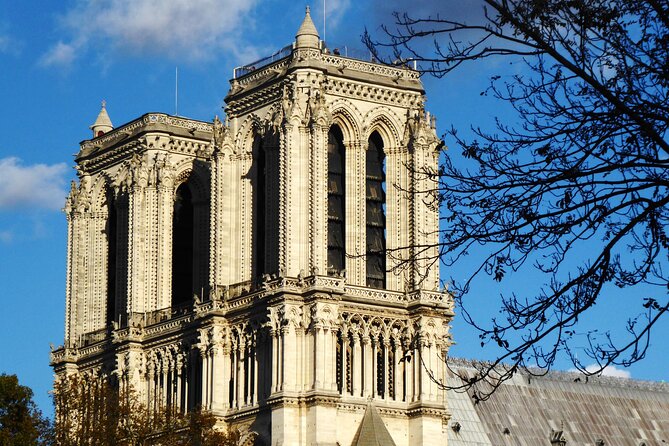
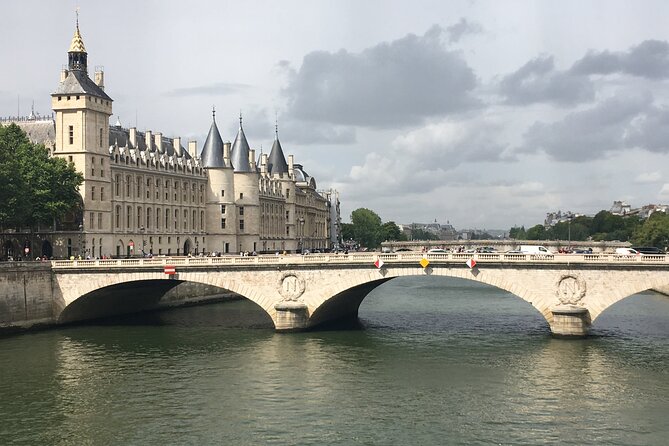
The route crosses the Seine and reaches Île de la Cité, the island at the center of historic Paris. The section between Pont Saint-Michel and Notre-Dame offers some of the most atmospheric views on the walk, with the river, bridges, and cathedral all close together.
This is a strong part of the experience for photographers and first-time visitors. You are moving through a compact area where the scenery changes quickly. The river gives you a natural pause between puzzle sections, while the bridges provide clear orientation points.
You should still keep your materials secure and pay attention to the group as you cross busy areas. The activity takes place in public streets and squares, not in a controlled attraction. Most people can participate, but the route requires ordinary city walking and awareness of traffic and crowds.
The hunt’s cultural notes are useful here because they give you something to discuss while you work. They do not replace a full historical tour, but they help connect the clues to the places around you. If you enjoy learning small facts in passing rather than sitting through a lecture, this approach should suit you.
Place Dauphine, Pont Neuf, and the final stretch
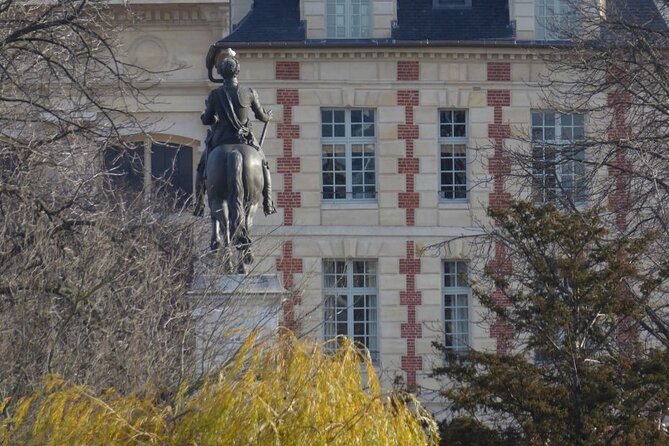
After Île de la Cité, the route continues to Place Dauphine. This small square is a welcome change from the larger tourist sights. Its shape and setting make it a pleasant place to pause, read the next clue, and get your bearings.
You then continue to Pont Neuf, the oldest bridge in Paris. The bridge gives the hunt a strong sense of progress. You are no longer only exploring the Latin Quarter and island; you are moving west toward the Louvre.
The final bridge is Pont des Arts, long associated with artists and lovers. From here, the route points you toward the last stage of the mystery. The sequence works well because the landmarks become increasingly familiar, making it easier to understand where you are in the city.
This section may be the most enjoyable for adults who like city geography. You can see how the central districts connect, rather than treating each sight as an isolated stop. The route also offers several natural photo opportunities, though frequent picture stops will use part of your allotted time.
Opening the chest beside the Louvre
The hunt ends in front of the Louvre Museum, near the Cour Carrée side at Place du Louvre. The listed end point is Beffroi de l’Église Saint-Germain l’Auxerrois de Paris, 2A Place du Louvre. The closest named metro station is Louvre-Rivoli.
The final task is to open the chest and reveal its story. For families, this gives the walk a satisfying finish. Children and teenagers get a real objective, rather than simply being told that the sightseeing is over. Adults get a clear endpoint beside one of Paris’s major museums.
You should not assume that the activity includes Louvre admission. It ends outside the museum, and the cost does not include entry, food, or drinks. That can be an advantage if you already have a separate Louvre reservation. You can finish the hunt and continue with your own plans, without being tied to a museum visit immediately afterward.
The location also makes the activity easy to combine with other central Paris plans. Just remember that the route starts at the Panthéon, not at the Louvre, so allow time to reach the first meeting point.
How the self-guided format works
The experience includes a booklet with riddles, a map, cultural notes, answer sheets, and the materials needed for the investigation. Assistance is available throughout if you need it, but there is no tour guide walking beside you for the full route.
This arrangement gives you privacy and flexibility. You can let the most puzzle-minded person lead, divide the clues among the group, or work as one team. It is also a good choice for people who find large guided groups tiring.
The tradeoff is that you must manage yourself. If the group gets stuck, you need to use the available help rather than wait for a guide to notice. If you spend too long at one stop, you may have to move on without completing every part.
The activity is offered in English and French. That makes it practical for international families and mixed-language groups. Confirmation arrives at booking, and the experience is near public transportation.
Timing, weather, and comfort
The investigation normally lasts about two hours, but it automatically ends after three hours wherever you are on the route. This is generous enough for a steady walk with some puzzle-solving, but it is not an all-day sightseeing tour.
Breaks are allowed, though they reduce your remaining time. I would plan a bathroom stop and any snack purchase before starting, especially with young children. A café break during the hunt may be possible, but it should not become the main event.
The experience requires good weather. If poor weather forces cancellation, you are offered another date or a full refund. On a sunny day, bring a hat, since parts of the route are outdoors and the clues may require you to stop in open squares or beside the river.
Service animals are allowed, and most people can participate. The available information does not promise a fully accessible route or describe exact walking distances, so anyone with mobility concerns should ask the provider for current route details before booking.
Who will enjoy this most
I would choose this activity for a family with children of different ages, a group of friends, or a couple who wants a structured walk without joining a standard tour. The clues are described as accessible, and the final code gives younger participants a clear reason to stay involved.
It also suits a team-building outing. The route requires communication, observation, and shared problem-solving, while the city provides the setting. Marion has been specifically praised for being friendly, flexible with a late start, and helpful with children. Assistance from a host can make a difference if your group needs a nudge.
You may want a different experience if you prefer long historical explanations, indoor attractions, or a completely relaxed pace. The hunt is active and time-limited. You need to walk, read, solve, and keep moving.
Is the $36.05 price good value?
At $36.05 per person, the price sits above a simple self-guided map but below many private guided experiences. The key question is how much use your group will make of the puzzle format.
For a family, the cost can replace a short sightseeing tour while adding a shared activity. For a couple who dislikes group tours, it offers a private-feeling way to explore major sights. For a solo visitor, the value may be weaker because several clues are designed to be more enjoyable when discussed with someone else.
The materials are included, and there is no extra app purchase or required guide. You still pay for your own food, drinks, transportation to the start, and any museum admissions you add later.
The strong value comes from the route. In roughly two hours, you see the Panthéon area, the Latin Quarter, Cluny Museum, Notre-Dame, Île de la Cité, Place Dauphine, Pont Neuf, Pont des Arts, and the Louvre exterior. You do not explore each sight in depth, but you get a well-planned introduction to central Paris.
Should you book this Paris treasure hunt?
Book it if you want to see central Paris while doing something together. The route is well chosen, the paper materials keep the activity simple, and the final chest gives the walk a clear payoff. Families in particular should find the mix of sightseeing, clues, and teamwork useful.
Skip it if you want a traditional guide, detailed museum access, or unlimited time for cafés and photos. For everyone else, this is a practical way to turn a familiar Paris route into a small adventure, especially on a clear day and early in your stay.
FAQ
Where does the treasure hunt begin?
It begins at 1 Rue Soufflot, 75005 Paris, at the foot of the Panthéon in the Latin Quarter.
Where does the activity end?
It ends in front of the Louvre Museum, on Place du Louvre near the Cour Carrée side. The listed end point is Beffroi de l’Église Saint-Germain l’Auxerrois de Paris, 2A Place du Louvre.
How long does the treasure hunt last?
The investigation takes about two hours on average. It automatically ends after three hours, wherever you are on the route.
Is this a guided tour?
No. It is a self-guided activity. Assistance is available during the game if you need help, but a tour guide does not accompany you throughout the route.
What materials are included?
You receive a game booklet with riddles, a map, cultural notes, answer sheets, and the other materials needed for the activity.
Do I need a mobile app?
No. You do not need to download an app. The activity uses the provided paper materials.
Is the activity available in English?
Yes. The treasure hunt is available in English and French.
What sights are included along the route?
The route includes the Panthéon, the Latin Quarter, the Cluny Museum, Notre-Dame, Île de la Cité, Place Dauphine, Pont Neuf, Pont des Arts, and the Louvre exterior.
What happens if the weather is poor?
The activity requires good weather. If it is canceled because of poor weather, you can choose another date or receive a full refund.
Just added around Paris
- Paris Treasure Hunt – Explore the Seine from Louvre to Eiffel★ 5.0 · 18 reviews
- Paris Treasure Hunt to the Auction Rooms★ 5.0 · 2 reviews
- Self-guided Mystery Walk by the Notre Dame★ 4.0 · 2 reviews
- Marais Treasure Hunt & Discovery — Self-guided Paris Game★ 5.0 · 3 reviews
- Paris Covered Passages Treasure Hunt — Self-guided Game★ 5.0 · 5 reviews
- Paris WWII: Occupation & Liberation Exploration Game and Tour★ 5.0 · 2 reviews
- Montmartre Treasure Hunt — Fun and Cultural Investigation★ 5.0 · 6 reviews
- Private Scavenger Hunt in Montmartre★ 5.0 · 2 reviews
Paris Escape Games, compared.
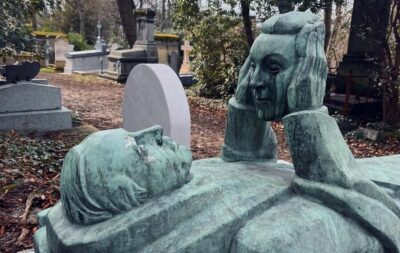
Who Killed Victor ? Escape Game at Père Lachaise Cemetery
Read our review →
Romantic Montmartre: Paris Lost Lovers Exploration Game and Tour
Read our review →
Browse the lists this tour appears in